What counts as manual handling?
Manual handling is any task where a person lifts, lowers, carries, pushes, pulls, holds or restrains a load using their own body. It is not just heavy boxes. Pushing a trolley, holding a power tool at arm's length, repeatedly reaching into a low bin, or turning to stack pallets all count. The injuries it causes, mostly to the back, shoulders and neck, tend to build up over time rather than happen in one dramatic moment, which is exactly why they get overlooked until someone is off work.
What does New Zealand law expect?
Under the Health and Safety at Work Act 2015, a business must manage the risks of manual handling so far as is reasonably practicable. There is no single legal maximum lifting weight in New Zealand. Instead, WorkSafe expects you to assess each task and control the risk, using tools such as the New Zealand Manual Handling Assessment Charts and the lifting and lowering screening tool. Those tools use guideline weights that change with where the load sits relative to the body, so the same weight can be low risk held close at waist height and high risk at arm's length or above the shoulders. Officers, which includes directors and senior managers, also have a due diligence duty to make sure the business has the right processes in place.
How do you assess manual handling risk? Think TILE
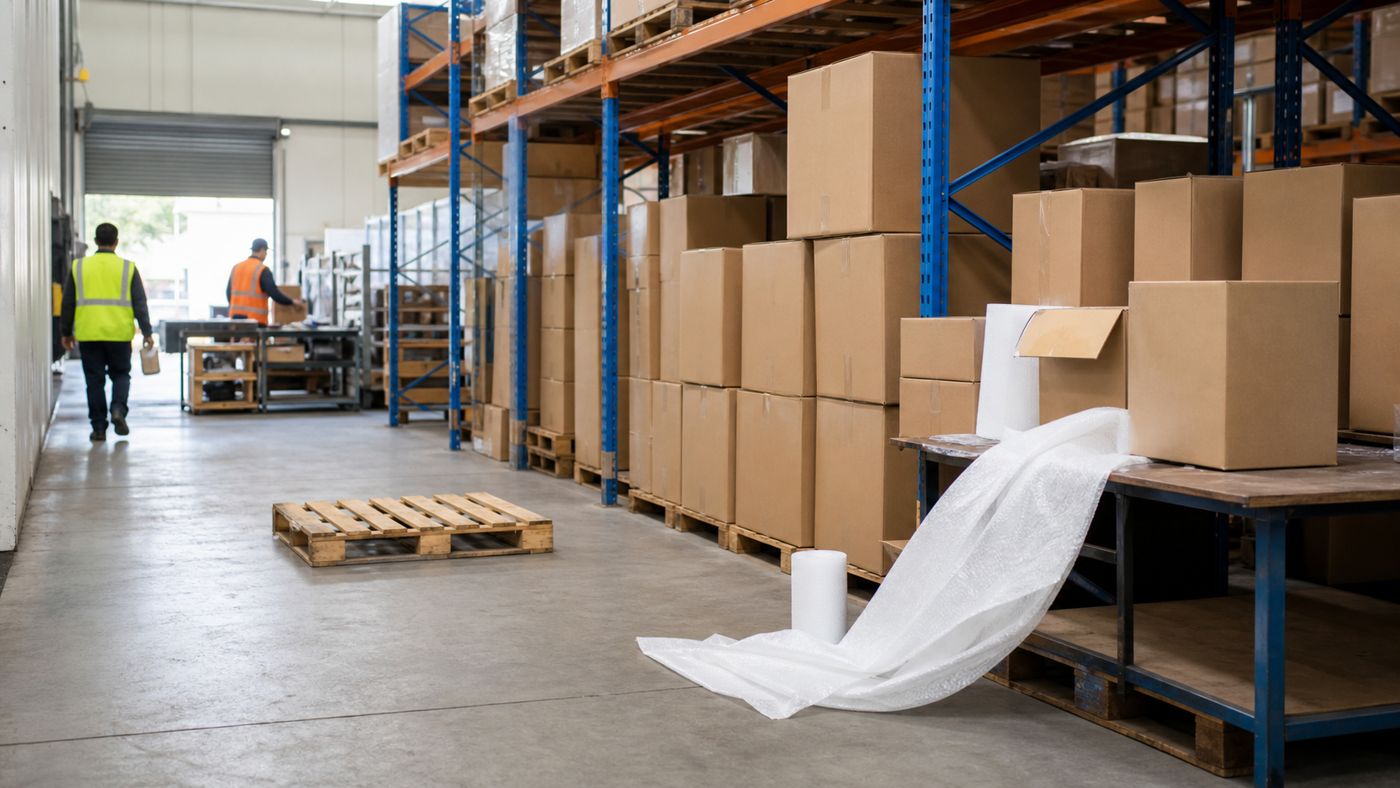
A simple way to assess any handling task is to look at four things, remembered as TILE:
Task: does the job involve twisting, reaching, long carries, repetition or holding a load away from the body? Individual: is the person trained, fit for the task, and not carrying an existing injury? Load: how heavy, bulky, unstable, sharp or hot is it, and can you get a good grip? Environment: is the floor even and clear, the lighting good, the space tight, or the temperature a factor? Rate the task, decide whether the risk is acceptable, and if it is not, change something.
Where the numbers people quote actually come from
New Zealand law names no maximum lifting weight for an adult worker. The Health and Safety at Work Act 2015 does not use the phrase manual handling at all, and the word weight appears three times in the General Risk and Workplace Management Regulations 2016, twice inside regulation 45 and once in the definition of combustible dust.
A PCBU with management or control of a workplace must ensure, so far as is reasonably practicable, that no worker aged under 15 years is required to lift any weight or to perform any task if lifting the weight or performing the task would be likely to be harmful to the worker's health.
General Risk and Workplace Management Regulations 2016, regulation 45.
Read closely, regulation 45 sets a harm test, with no number in it. The only figure in kilograms anywhere in those regulations is 700 kilograms in regulation 47, which excludes small machinery from the definition of a vehicle for young workers. The 25 kilogram figure in circulation comes from screening values in WorkSafe's lifting and lowering tool, and the tool states plainly that the screening values are not safe load limits or acceptable weight limits. The United Kingdom takes the same position, with the Health and Safety Executive saying its law sets no specific weight limits.
Not sure if a task is a problem? Check it in two minutes
Our free Manual Task Risk Check walks you through the same screening questions WorkSafe's tools are built on. Answer them for any lifting, carrying, pushing or pulling task and get a straight answer on whether it needs attention, plus what to do next.
Run the free Risk CheckFree, no sign in. Works on any phone, tablet or laptop.
What is safe lifting technique? The 5 P's
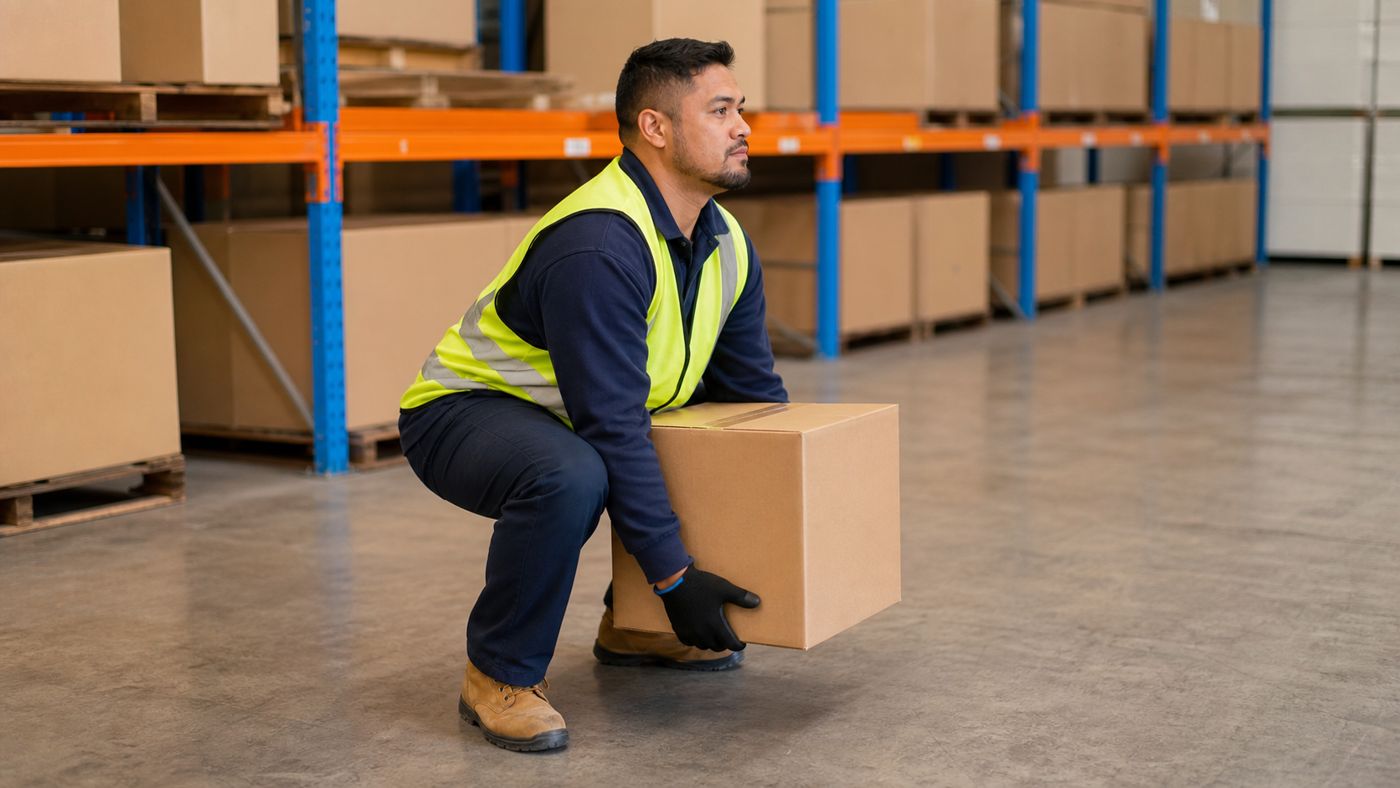
Good technique is the last line of defence, not the first, but it matters. The 5 P's give staff a repeatable routine: Plan the lift and clear the path, Position the feet and get close to the load, Pick up with a straight back and the legs doing the work, Proceed smoothly without twisting, and Place the load down with the same care. Warm-ups before physical work and team lifts for long or awkward loads round it out.
How do you reduce manual handling risk? Design it out first
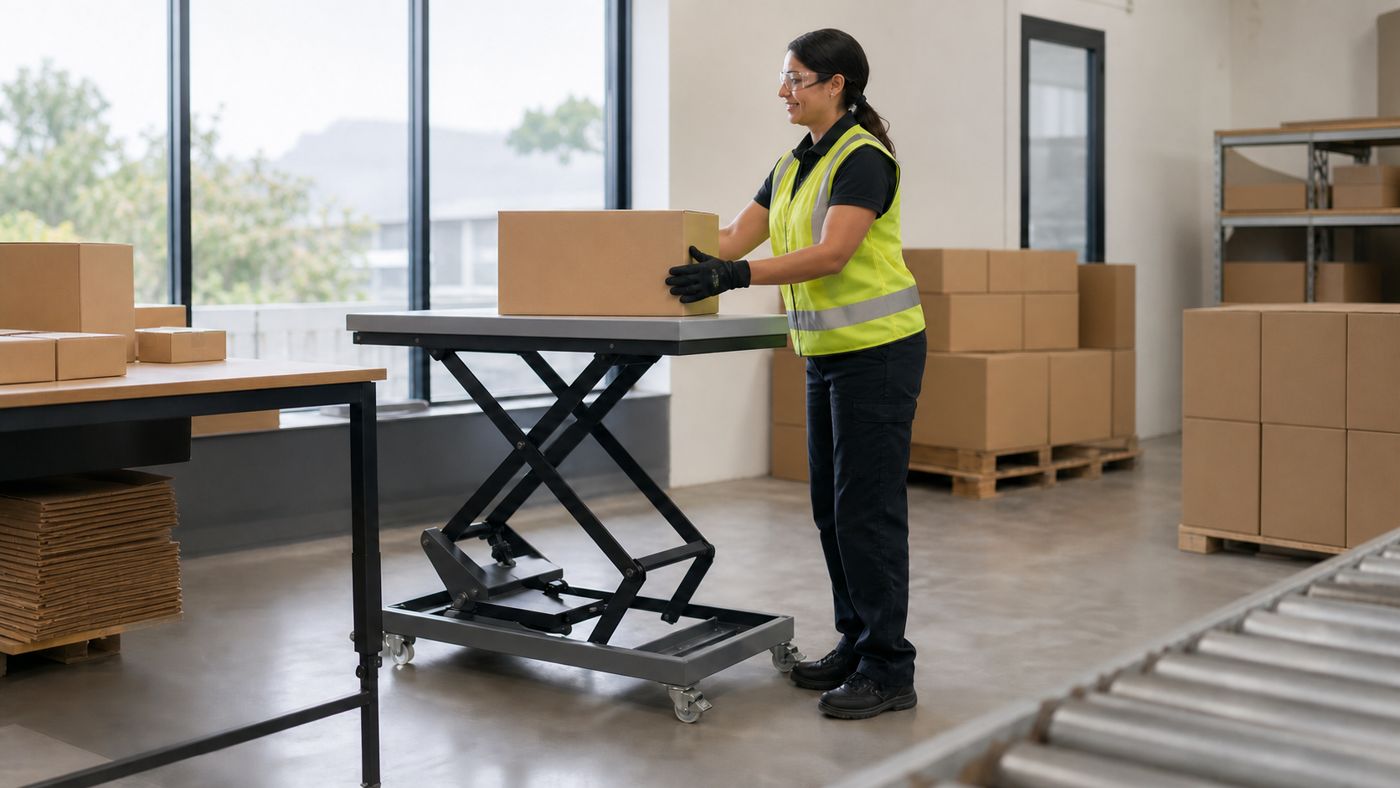
The most effective control is to remove the manual handling rather than train people to cope with it. This is the hierarchy of controls in action. Can the load be made lighter or split? Can a trolley, pallet jack, hoist or height-adjustable bench do the lifting? Can the task be redesigned so the load sits in the power zone between knuckle and shoulder height, close to the body, with no twist? A task that is done hundreds of times a shift is worth engineering out, because small savings multiply fast. Leaders who learn to spot and redesign these tasks prevent far more injuries than any single training session on lifting form.
Who needs manual handling training: staff or leaders?
Both, and the two groups need different things. Frontline staff need practical skills to protect their own bodies: spotting risk in their own tasks, lifting safely, using aids, and getting signed off on the job. Supervisors and team leaders need to assess tasks, choose controls, design the work better, coach technique, and verify that their people handle loads safely. Capability Solutions runs a course for each: Manual Handling for Staff for anyone who lifts, carries, pushes or pulls, and Manual Handling for Leaders for supervisors, team leaders and health and safety reps. Both are online, self-paced, and aligned to the learning outcomes of NZQA Unit Standard 17459.

Common questions
Is manual handling training a legal requirement in New Zealand?
The Health and Safety at Work Act 2015 does not name manual handling training specifically, but it requires every business to provide the information, training, instruction and supervision workers need to be protected from the risks in their work. Where lifting, carrying, pushing or pulling is part of the job, manual handling training is the accepted way to meet that duty, and it is what WorkSafe expects to see after an incident. In practice, if your people handle loads, they need training.
Is there a legal maximum lifting weight in New Zealand?
No. New Zealand has never set a single legal maximum. WorkSafe expects a risk assessment for each task using tools like the New Zealand Manual Handling Assessment Charts, with guideline weights that depend on where the load is held. The comfortable, lower-risk zone is roughly 16 to 20 kilograms held close at waist height, but that shifts with the task.
Who is responsible for manual handling safety?
The business, or PCBU, holds the primary duty under the Health and Safety at Work Act 2015. Officers, including directors and senior managers, have a due diligence duty, and workers must take reasonable care and follow the safe systems provided.
How often should manual handling training be refreshed?
There is no fixed legal interval. Common practice is to train at induction and refresh every one to two years, or sooner if tasks change, new equipment is introduced, or an incident points to a gap.
Does manual handling training make someone qualified?
Workplace training builds competence and can be signed off on the job by a manager, but a short course does not by itself award an NZQA qualification or unit standard credits unless it is delivered as a registered assessment.
Ready to reduce manual handling injuries in your workplace? Start by running a task through the free Manual Task Risk Check, then train with Manual Handling for Staff or, if you lead a team, Manual Handling for Leaders.
Training more than a handful of people?
Capability Hub, your team's training in your brand
Rather than buying seats one at a time, put your whole business on Capability Hub. We build our courses in your logo and colours, hand you a dashboard to enrol staff and track progress, and keep your refresher records audit-ready. We set it up and host it, so there is nothing for your IT to run.
- More than 20 courses, branded to your business
- Unlimited staff enrolments, so a new hire costs nothing extra
- Custom courses for your own equipment or SOPs, built at no extra cost
- One dashboard for enrolments and progress at a glance
- Automatic refresher reminders before training lapses
- Audit-ready reporting and automatic completion certificates
From $160 + GST per month
Launch offer: 12 months, 3 months free
Book a 15-minute demo on the hub page, or email Gordon. Larger teams and multi-site businesses get a tailored quote.